Examining the Roots of Unrest in Los Angeles: A Legal and Social Perspective
The recent wave of disturbances in Los Angeles has captured national attention, as fires, property damage, and street violence have unfolded almost unchecked. In this opinion editorial, we explore the trigger events and the subsequent legal and societal responses, with insights from defense attorney Josh Kolsrud, who has been in the thick of several high-profile legal cases. His observations help us understand not only what happened but also why these events matter in the broader context of American society.
The Spark That Ignited the Riots: How It All Began
According to attorney Kolsrud, the inception of this unrest can be traced back to a seemingly isolated incident: individuals throwing rocks at ICE and Border Patrol vehicles speeding down a roadway. This initial act quickly escalated as the lack of an immediate law enforcement response allowed a localized disturbance to grow into a full-scale riot.
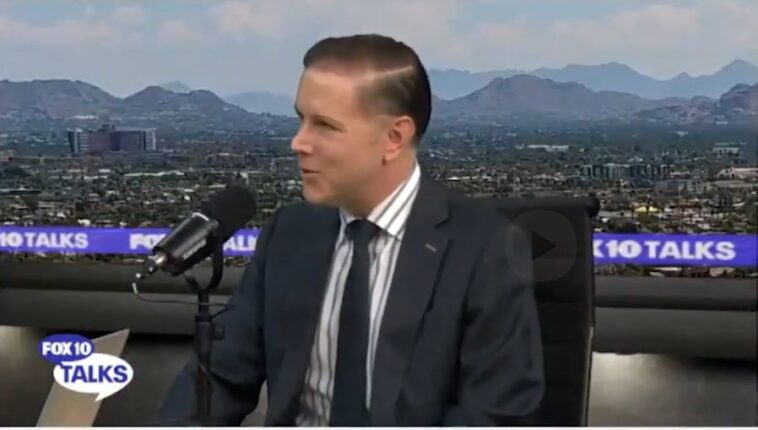
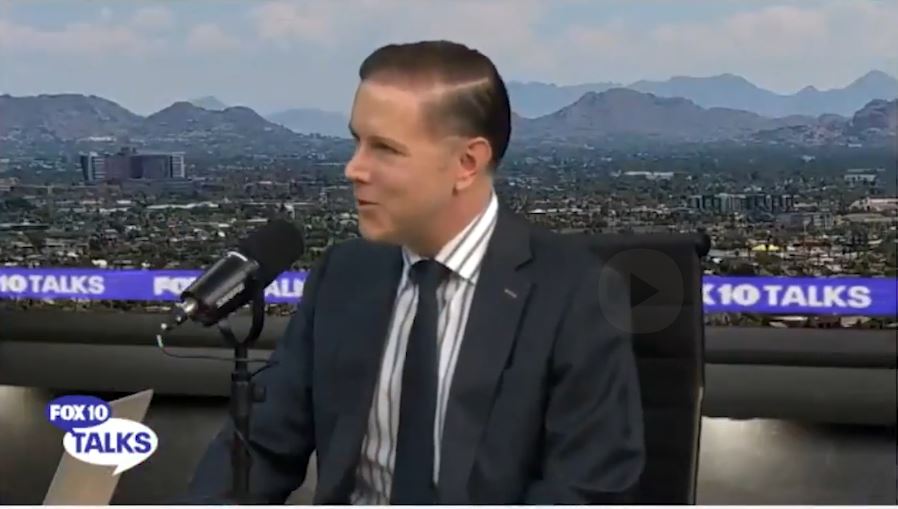
In a recent interview on Fox 10 Talks, Kolsrud explained, “This all began last week when you had individuals engaging in what appears to be a symbolic act of defiance. Instead of local police stepping in right away, law enforcement was noticeably absent, which gave the situation room to spiral out of control.” His words underscore that the absence of timely intervention can rapidly turn minor sparks into overwhelming, dangerous conflagrations.
Hidden Causes Behind a Social Outburst
When we look at events like these, there are several tricky parts to consider. One of the confusing bits is how a protest or a small act of defiance morphs into a widespread riot. Kolsrud pointed out that while local agencies are typically quick to respond, their delayed or reduced presence impacted how the riot unfurled. The underlying issues—a frustration with federal policies, economic disparity, and calls for systemic reform—serve as the subtle parts that contribute to the overall dynamic.
Among the tangled issues is the challenge of distinguishing between genuine criminal behavior and protests that arise from deeply rooted grievances. In situations where law enforcement does not step in immediately, the tensions can build up quickly, causing the situation to erupt. Such hidden complexities remind us that these events are never solely about law enforcement missteps but also about a society struggling to cope with broader political and economic problems.
Federal Intervention: An Unprecedented Step in a Tense Environment
A defining feature of the recent riots is the extraordinary action taken by federal authorities. President Trump’s decision to commandeer the California National Guard—a move not seen in more than six decades—illustrates the seriousness with which federal leaders began treating the crisis. This intense intervention, executed without a formal request from California’s governor, marks a significant deviation from typical state mechanisms.
This federal move highlights a deeper tension between state rights and federal authority in times of crisis. Kolsrud noted that such an intervention is a clear sign of the administration’s readiness to bypass traditional procedures when public safety is at risk. While some view this as a necessary step, others see it as a dangerous precedent that could lead to further controversy down the line.
Evaluating the Fine Points of Commandeering the National Guard
When federal forces are deployed to assist in what is essentially local unrest, the decision involves several delicate considerations. Some key elements include:
- The legality of federal intervention without state consent
- The balance between maintaining public order and protecting civil liberties
- The potential for further escalation when federal agencies step into roles typically handled by local law enforcement
These fine points are more than just academic debates—they have real implications for how similar situations might be managed in the future. The federal step reflects both the government’s super important responsibility to ensure public safety and the controversy that can arise when that mandate is perceived as overreaching.
Controversies Surrounding ICE Roundups: Missteps and Misunderstandings
In parallel with the physical unrest, there has been significant debate over the actions of federal agencies such as ICE. Kolsrud remarked that the Trump administration has not been entirely transparent about its criteria for targeting individuals during ICE roundups. This vague approach has led to instances where authorities have mistakenly detained people who may not even be undocumented immigrants, further eroding public trust in these organizations.
The failure to provide clear guidelines has added another complicated piece to an already tense scenario, as communities fear arbitrary enforcement and overreach by federal bodies. Many residents feel that aggressive tactics in these roundups not only fuel tension but also ignore the subtle details and specific circumstances that differentiate lawful residents from lawbreakers. The lack of transparency in ICE operations continually stokes the fire of public disillusionment, turning what could be a simple legal measure into a nerve-racking flashpoint for further unrest.
Dissecting the Small Distinctions in Enforcement Practices
There are several subtle details that come into play when discussing enforcement practices during times of protest. These include:
- Policy Ambiguity: Policies that are riddled with problems because they lack clear operational guidance.
- Community Impact: The ways in which aggressive enforcement may affect residents’ trust in public institutions.
- Legal Implications: Challenges that arise when enforcement practices do not align neatly with constitutional protections.
By examining these small distinctions, we can gain a better understanding of where law enforcement practices need improvements to prevent similar controversies from emerging in the future.
Legal and Social Implications: The Human Cost of Unrest
The events unfolding in Los Angeles are not merely legal case studies; they affect the lives of ordinary citizens in deeply personal ways. The legal perspective provided by attorneys like Kolsrud offers a lens through which we can view both the law enforcement response and the community’s reaction to these developments.
For many, the riots represent more than just a breakdown in public order—they embody years of pent-up frustration, a sentiment that resonates deeply with communities feeling ignored or mistreated by the very systems meant to serve them. This blend of legal quandaries and human suffering forms a tense environment where every decision by law enforcement or the federal government may carry long-lasting impacts on community trust and unity.
Understanding the Nitty-Gritty of Law Enforcement Decisions
Why do certain law enforcement actions escalate into full-blown crises? The answer lies in the subtle parts of both policy and practice. When local agencies fail to step in promptly, or when federal entities override established state protocols, the public is left with little reassurance that their safety and rights will be safeguarded. Some key factors include:
- The Delay in Local Enforcement: When nearby police do not promptly address criminal behavior, the situation can quickly spiral out of control.
- Federal vs. Local Jurisdiction: Confusion over who is responsible for managing the situation leads to overlapping authorities and muddled decision-making.
- The Power of Public Perception: Communities that witness disengaged local law enforcement and assertive federal intervention may feel abandoned or over-policed.
These factors serve as a reminder that the choices made by those in power have a domino effect on public safety, trust, and community cohesion. It is critical to examine each piece, no matter how small, to appreciate the full scope of the challenges at hand.
The Psychological Impact: A Community Under Strain
One of the most profound consequences of these events is their psychological toll on the community. In the midst of chaotic scenes, residents are not only worried about the immediate danger but are also forced to reckon with memories of past racial and societal strife. Kolsrud shared an emotional account of a new mother who witnessed the entire spectacle of civil unrest while haunted by memories of previous high-profile incidents involving racial injustice.
These personal stories illustrate that the effects of public disorder extend far beyond physical damage. The deep, lasting emotional wounds and the overwhelming stress experienced by community members underscore how such incidents can slowly erode the very fabric of the neighborhoods they affect.
Exploring the Emotional Toll on Local Residents
The following points underscore the critical areas of concern regarding the psychological impact of such events:
- Intergenerational Trauma: Many community members have experienced or have familial ties to past episodes of civil unrest, making any new outbreak particularly intense.
- Loss of Trust: When law enforcement fails to act decisively or fairly, the bond between the community and its protectors is weakened.
- The Impact of Social Media: The rapid spread of images and stories online can intensify feelings of anxiety and helplessness.
- A Sense of Helplessness: When residents feel that their voices are not being heard or that systemic issues remain unaddressed, the result is a pervasive state of tension and uncertainty.
Overall, these aspects illustrate the layered and nerve-racking challenges communities face when dealing with both the immediate dangers of civil unrest and the longer-term effects on their collective psyche.
Looking Ahead: Could the Riots Spill Over Nationally?
The unrest in Los Angeles has already sparked concerns about whether similar events might take root in other cities, such as Chicago, New York, or San Francisco. Kolsrud cautioned that smaller protests in these cities have already begun to exhibit signs of increased aggressiveness, hinting at a potential domino effect. He emphasized that vigilance is required to ensure that legal responses are measured and that any federal or local intervention does not inadvertently fan the flames of discontent.
This uncertainty about the future reflects broader societal tensions. The mixed signals from various levels of government—as well as the controversies surrounding federal intervention tactics like the use of the National Guard and aggressive ICE roundups—mean that communities across the country are on edge. The decisions made in the immediate aftermath of these events could have a lasting impact on how protests and civil unrest are managed in the future.
Anticipating the Domino Effect: Legal Perspectives for Other Cities
When considering the possibility of a wider spread of such unrest, it’s important to highlight some key legal and social factors:
- Uniformity in Law Enforcement Protocols: One of the nerve-racking challenges is achieving consistency between different police departments and federal authorities. Without a uniform approach, cities may face varied outcomes in handling disturbances.
- Potential for Increased Aggression: There is a real risk that what began as a local issue could be mimicked nationwide, particularly if communities feel similarly neglected or mistreated.
- The Role of Federal Oversight: A centralized, super important strategy regarding when and how to intervene can either prevent escalation or, conversely, lead to further unrest if perceived as overreach.
These points underscore that while the legal framework provides a basis for managing public disorder, the human elements—the frustration, fear, and anger—are what ultimately determine whether a city remains calm or descends into chaos.
Comparing Approaches: A Table of Law Enforcement Responses
To better understand the differences in handling civil unrest between local and federal authorities, consider the following table that outlines some of the key decisions and their potential impacts:
| Aspect | Local Law Enforcement | Federal Intervention |
|---|---|---|
| Response Time | Typically quick, provided resources are available | Can be delayed due to coordination with state agencies |
| Authority Level | Limited to local jurisdiction | Broad authority; may override state decisions |
| Public Perception | Often seen as more connected with the community | May be viewed as heavy-handed or disconnected |
| Legal Constraints | Strictly bound by local laws and ordinances | Operates under federal statutes that can be more flexible |
This juxtaposition illustrates how seemingly similar actions can have differing implications depending on which authority is in charge. The small twists in how these approaches are implemented can lead to significant variations in outcomes that affect community trust and public order.
Challenges in a Changing Legal and Social Landscape
The current situation in Los Angeles is emblematic of broader challenges faced in an era marked by rapid shifts in social dynamics and legal interpretations. For defense attorney Josh Kolsrud, the events not only signal a breakdown in traditional law enforcement protocols but also reveal the complicated pieces of a societal puzzle where historical grievances meet modern-day legal challenges.
The interplay between local protests and federal responses carries with it a heavy load of responsibility. It forces policymakers and law enforcement officials to figure a path through a maze of public opinion, legal mandates, and the need for clear, decisive action. While it might seem overwhelming, it’s clear that the only sustainable solution lies in proactive dialogue, reform, and more transparent policies.
Key Considerations for Future Policy Development
In thinking about future reforms, several bullet points capture the essential issues that policymakers must consider:
- Transparency in Federal Actions: Clear communication regarding the criteria and scope of interventions can help alleviate public suspicion.
- Improved Coordination: A more synchronized effort between local and federal law enforcement could prevent the escalation that often leads to large-scale unrest.
- Community Engagement: Bridging the gap between communities and law enforcement through consistent, open dialogue is key to rebuilding trust.
- Legal Safeguards: Ensuring that the legal rights of all citizens are preserved, even in times of crisis, must be a top priority.
Each of these considerations is loaded with issues that require thoughtful debate and careful revision of existing policies. While no single bullet point can provide a complete answer, together they form the super important pillars of a strategy that could potentially quell unrest and restore community confidence.
Reflections on the Role of Defense Attorneys in Times of Crisis
Defense attorneys like Josh Kolsrud illustrate the key role that legal professionals play during societal upheavals. Their job is not only to defend the rights of the accused but also to offer a perspective on how laws are applied during extraordinary circumstances. Kolsrud’s insights provide a valuable this close look into the unpredictable twists and turns of law enforcement strategies amid public disorder.
Legal experts are uniquely positioned to observe both the minute details of a case and the broader consequences of their decisions. When communities face overwhelming and nerve-racking situations, a measured legal perspective can help all stakeholders—law enforcement, policymakers, and the public—make sense of the confusion and challenges at hand.
How Defense Attorneys Contribute to a Fairer System
Here are some of the ways defense attorneys impact the legal and societal environment during turbulent times:
- Ensuring Due Process: They work tirelessly to make sure that every individual’s rights are respected, even when the legal process seems off-puttingly convoluted.
- Providing Clarity: By breaking down the fine points of legal actions and consequences, they help the public understand the small distinctions that matter.
- Balancing Perspectives: Their role serves as a counterweight to aggressive law enforcement tactics, ensuring that the human cost is not ignored in the rush to restore order.
In sharing their insights and experiences, defense attorneys contribute to a richer, more balanced discussion about how to handle public disorder, reminding everyone that the law must serve the people, not just the interests of the state.
Community Resilience in the Face of Ongoing Challenges
At its core, the response to the Los Angeles unrest reveals a community struggling to stay united amid a landscape full of problems. The events have left many residents feeling that the familiar bonds of community and trust are unraveling. Public figures and legal experts alike have called for renewed efforts to bridge the divide and rebuild the shared sense of purpose that is critical in such times.
Community resilience is built through ongoing dialogues, mutual understanding, and the willingness to address the nerve-racking issues that have long simmered beneath the surface. In examining both legal responses and community reactions, it becomes evident that the road to recovery will require more than just firm law enforcement—it will demand active, passionate community engagement.
Strategies for Rebuilding Community Trust
Several strategies can help communities find their way through these tumultuous times:
- Open Forums: Regular town hall meetings can facilitate transparent discussions between residents and officials.
- Collaborative Policing: Programs that involve community members in policing efforts help build rapport and trust.
- Legal Education: Workshops that explain the fine details of legal rights and law enforcement procedures empower residents.
- Social Support Networks: Strengthening local organizations that provide support during crises can help alleviate the overwhelming stress faced by many.
These strategies, while they may appear as small steps individually, collectively form a must-have framework for rebuilding the broken bridges between law enforcement and the communities they serve. By addressing every tricky part and tangled issue head-on, communities may gradually transform moments of tension into opportunities for true unity and progress.
The Broader Implications: Understanding the Intersection of Law, Politics, and Society
The Los Angeles unrest is more than a series of isolated legal events—it is a microcosm of the broader challenges facing American society today. The overlaps between federal decisions, local law enforcement practices, and the community’s response form a complex web that necessitates thoughtful analysis. Every decision, from the delayed local intervention to the daring federal takeover, carries with it both unintended consequences and valuable lessons.
From a legal standpoint, it is critical to figure a path that respects civil liberties while also ensuring public safety. Equally important is acknowledging the human dimension of these events. When policymakers and law enforcement officials work together, facing every overwhelming challenge with clear communication and measured action, the chance for lasting positive change increases exponentially. The case of Los Angeles serves as a vivid reminder that the small intricacies of legal processes are intertwined with the larger emotional and political landscape of our society.
Balancing Public Safety With Civil Liberties in Volatile Times
One of the nerve-racking dilemmas for any legal system is balancing the need to protect the public with the need to preserve individual rights. As we take a closer look at this challenge, a few key factors stand out:
- Legal Mandates and Public Sentiment: The law must be enforced, but not at the cost of alienating the very communities it aims to protect.
- Checks and Balances: Effective oversight mechanisms can prevent the heavy-handed actions that often provoke further unrest.
- Transparent Procedures: Clear, digestible guidelines help demystify the legal process and reassure the public during tense moments.
These factors underscore the necessity of crafting policies that not only address the immediate crisis but also lay the groundwork for a more congenial, resilient society in the long run.
Concluding Thoughts: A Call for Unity and Systemic Change
The unfolding events in Los Angeles demand that we not only react to the immediate chaos but also reckon with the underlying issues that fuel such unrest. Defense attorney Josh Kolsrud’s observations remind us that the response to social unrest is layered with legal challenges, community fears, and political dilemmas. The delicate balance between local initiative and federal intervention, combined with persistent community mistrust, paints a picture of a nation at a crossroads.
It is clear that the legal system and public policy must take a proactive approach to address the overwhelming challenges of our time. This means engaging in frank, open discussions about the small twists of law enforcement practices, coupled with a genuine effort to understand and heal the emotional wounds that such events inflict on communities. Only by acknowledging every complicated piece—from the tactical decisions on the ground to the psychological scars left on local residents—can we hope to forge a way forward that is fair, transparent, and truly reflective of the society we wish to build.
As we move into an uncertain future, the lessons learned from Los Angeles must not be lost. Instead, they should serve as a catalyst for change—prompting legislative reforms, better-coordinated law enforcement strategies, and, most importantly, a deeper connection between the government and its citizens. In an era of rapid change and intense local and federal tensions, every small step toward understanding and unity counts.
A Roadmap for a More Resilient Future
Looking beyond the immediate turmoil, there are several key takeaways that can guide policymakers, legal professionals, and community leaders:
- Enhanced Communication: Establishing clear channels between federal, state, and local authorities can help prevent the onset of overlapping jurisdictions.
- Community-Centric Policing: Involving local residents in policing strategies can contribute to more trusted and effective public safety measures.
- Adaptive Legal Frameworks: Laws must evolve to keep pace with modern challenges, addressing both the tactical and emotional aspects of public disorder.
- Transparent Oversight: Accountability and oversight in law enforcement practices are essential to maintain the delicate balance between security and civil rights.
Each of these points represents a crucial element in building a society where legal measures serve the people without alienating them. They not only address today’s problems but also lay the groundwork for a more secure and unified tomorrow.
Final Reflections
The unrest in Los Angeles has shone a light on the twisted and challenging issues that lie at the intersection of law and community. From the initial spark of defiance—marked by the throwing of rocks at federal vehicles—to the nerve-racking federal intervention and the subsequent emotional fallout within the community, every facet of the situation is loaded with lessons for us all.
Defense attorney Josh Kolsrud’s insightful commentary paints a picture of a society struggling to keep pace with its own demands for justice, security, and unity. His perspective is a reminder that the relationship between law enforcement and the public is built on many small details—each one carrying the potential to either bridge divides or deepen rifts.
Ultimately, the legal challenges facing Los Angeles are not isolated events; they serve as a mirror reflecting national tensions. Even as federal agencies take super important, decisive steps to restore order, local communities are left to grapple with the long-term psychological and social damage of feeling unheard and unprotected.
The path forward requires more than just reactive measures. It calls for a proactive commitment to community engagement, transparent governance, and truly fair legal practices that honor the rights of every citizen. Only then can we hope to transform these overwhelming episodes of unrest into opportunities for positive, lasting change.
As citizens, legal professionals, and policymakers, we must each do our part to figure a path through these tangled issues, ensuring that the legacy of these events is not one of division and despair, but rather of collective resilience, unity, and genuine reform.
In the face of a future that appears uncertain and full of problems, let us remember that every single component—from local law enforcement decisions to federal policies and the deep psychological wounds borne by communities—is a crucial element of a larger narrative. This narrative calls for the rebuilding of trust on every level: legally, socially, and emotionally.
We stand at a pivotal juncture where legal insight, community spirit, and responsible governance must come together. The lessons of Los Angeles have set the stage for a national conversation on how we can best manage crisis, ensure justice, and build a society that is as compassionate as it is secure.
It is now up to all of us to engage in this dialogue, to dig into the tricky parts of our shared challenges, and to work together toward a future where every community feels both protected and respected. Perhaps in doing so, we can finally steer through the overwhelming complexity of these times to find a path that unites rather than divides—a path marked by responsibility, transparency, and true healing for all.
Read more about this topic at https://kolsrudlawoffices.com/josh-kolsrud-on-fox10-weighs-in-on-los-angeles-riots/
Related articles you might like
As immigration raids continue, ICE protests spread coast to …
US Protest Law Tracker